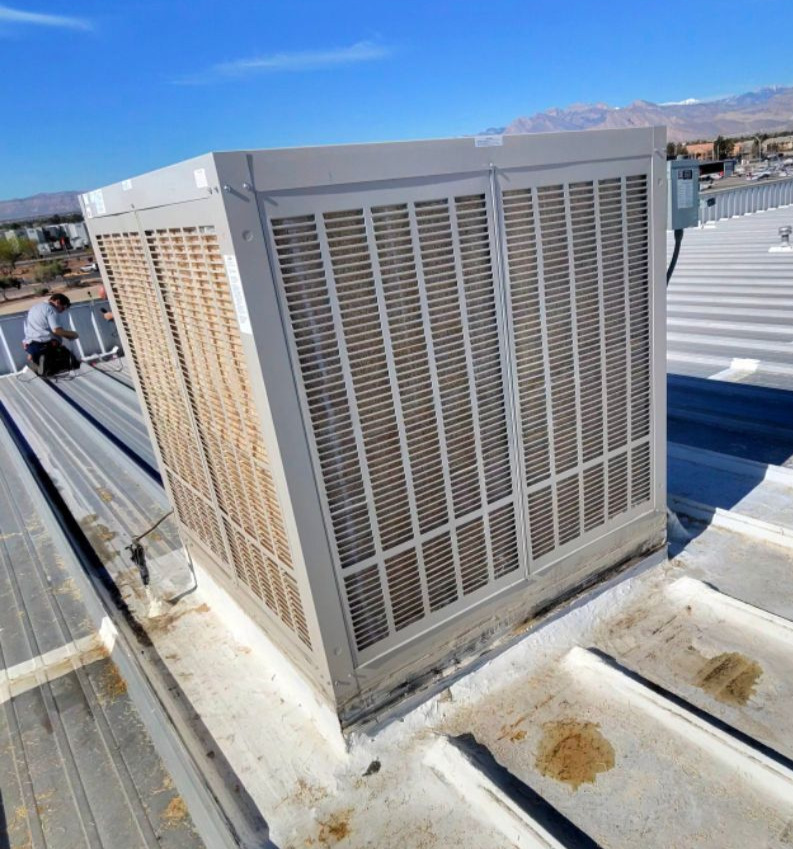
If your Las Vegas, NV commercial building has tenants wearing jackets in July while others crack windows open in January, the problem almost certainly isn’t your thermostat. It’s airflow. When a commercial HVAC system drifts out of balance, the equipment runs harder, the energy bills climb, and the complaints never stop, even on brand-new systems.
At Constant Air Balancing & Services, we’ve walked thousands of buildings across Las Vegas, Henderson, Paradise, and Spring Valley for 28 years. This post covers the ten most common signs your building has an airflow problem, what’s actually going wrong physically, and when to stop chasing symptoms with thermostat tweaks and call for a proper commercial air balancing assessment.
How Do I Know If My Commercial Building Needs Air Balancing?
Most commercial air balancing problems announce themselves in ways that feel like equipment failures but aren’t. The equipment is often fine. The ductwork, dampers, and fan speeds delivering air to the space have drifted from what the mechanical engineer designed. Every sign on the list below traces back to airflow, not equipment, and every one of them is fixable without replacing a single unit.
10 Warning Signs Your Commercial HVAC System Is Out of Balance
- Corner offices that never get cool enough. West- and south-facing corner offices in Las Vegas, NV take on the heaviest solar load in the valley. If the diffusers serving those rooms are under-delivering on CFM, the zone never catches up, no matter how cold the rest of the floor runs.
- Conference rooms freezing while the lobby is stuffy. This is over-delivery on one zone and under-delivery on the other. A flow hood reading will usually show the conference room getting 150% of its design CFM while the lobby gets 60%.
- Exterior doors that slam themselves shut or pull hard to open. That’s a pressure imbalance. A commercial building should run at a slight positive pressure to the outside. When exhaust exceeds supply, the building pulls negative and doors fight you.
- Energy bills climbing year over year without a clear cause. An out-of-balance system runs longer cycles to compensate for hot or cold zones. That extra runtime shows up on your next NV Energy invoice, and it compounds as the system drifts further.
- Short-cycling equipment, especially in spring and fall. When one zone is satisfied fast because it’s getting too much air, the equipment shuts down before the rest of the building catches up. Then it restarts. Then shuts down. Short cycling is hard on compressors and heat exchangers.
- Humidity that feels wrong. Clammy lobbies in August. Desert-dry back offices in February. Either one points to a balance problem; the system isn’t moving enough air across the coil for long enough to pull the right amount of moisture out or keep the right amount in.
- Odors migrating between zones. Coffee smell drifting from the break room into the conference room, or restroom odors showing up in reception, is a classic sign that pressure relationships are off. Properly balanced, those zones should be slightly negative to the rest of the building.
- A spike in tenant or employee comfort complaints after a renovation. Every tenant buildout changes the load on the ductwork. If the system wasn’t rebalanced after construction, it hasn’t been right since the drywall went up.
- Diffusers and grilles whistling or moaning. Audible air noise means velocity is too high, which means the duct or damper upstream is choked somewhere else. Guests and employees shouldn’t be able to hear your air delivery.
- Rooms that feel drafty even when the AC isn’t running. Stack effect and wind-driven infiltration take over in an unbalanced building. When the HVAC isn’t pressurizing the envelope correctly, outside air finds its way in wherever it can.
If three or more of these describe your building, you don’t need a bigger AC. You need a flow-hood walk-through.
Why Do Las Vegas, NV Commercial Buildings Show These Signs More Often?
Las Vegas has a brutal HVAC climate. Summer cooling loads push every commercial system to its design limit for four to five months straight, and any existing imbalance gets amplified by runtime. The dust that rolls off the Mojave loads filters faster, which changes static pressure across the system. Altitude is roughly 2,000 feet, which thins the air and affects both combustion and blower performance in ways that need verification.
The valley’s constant tenant turnover makes it worse. Every buildout moves a wall, adds or removes registers, and changes the load on the trunk line. Mechanical engineers design for the original space, not the third or fourth configuration it’s been in since the building opened. Without a rebalance after each renovation, the system has been wrong for years.
What Causes a Commercial HVAC System to Drift Out of Balance?
- Dampers that were closed or nudged during maintenance and never reset
- Filter upgrades from 1-inch pleated to 4-inch media without re-reading static pressure
- Duct leaks, especially at flex connections and slip joints over suspended ceilings
- Blower wheels fouled with dust that reduce their effective CFM
- Belt slippage or drive pulley changes on older air handlers
- Building additions or tenant demolition that changes the load on a trunk line
- Replacement equipment with a different fan curve than the original spec
Can I Fix These Problems Without Professional Air Balancing?
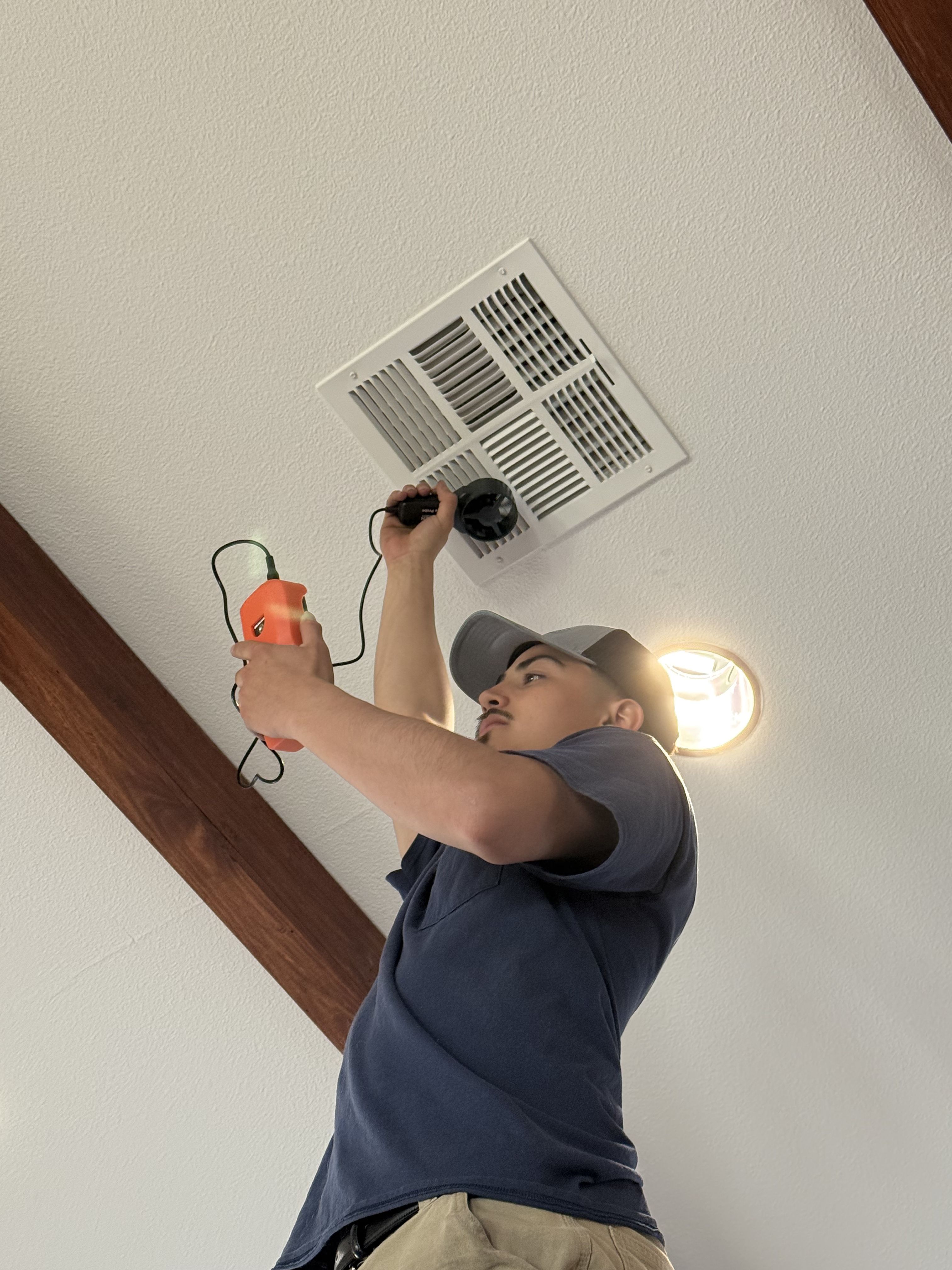
Some of them, partially. You can replace a dirty filter. You can open an obviously-closed damper. You can chase a specific complaint with a thermostat adjustment. What you cannot do without a flow hood, a manometer, and a combustion analyzer is verify that what you changed actually fixed the number. That’s the difference between guessing and balancing. Most buildings we inherit have had three or four rounds of guessing before someone called us, and every guess made something else worse.
What Does a Commercial Air Balancing Assessment Cost in Las Vegas, NV?
A professional air balance is almost always cheaper than the energy waste and equipment fatigue it prevents. Here is how the realistic options stack up for a typical 10,000-square-foot office or retail space in Las Vegas, NV.
| Approach | Typical Cost | Lasting Fix? |
|---|---|---|
| Chase complaints with thermostat adjustments | $0 up front, thousands in energy waste per year | No |
| Replace an out-of-balance AC unit | $12,000 to $40,000 | No — new equipment drifts the same way |
| Professional commercial air balance | $1,500 to $4,000 depending on system size | Yes — 3 to 5 years between balances |
Most clients recoup the cost of a proper balance inside the first full cooling season through lower energy bills alone, before even counting reduced equipment wear or fewer tenant complaints.

How Quickly Do the Symptoms Improve After a Proper Balance?
Fast. Most clients report the hot and cold complaints drop off within 24 to 48 hours. Energy bills reflect the change on the next full cycle. Humidity and pressure-relationship issues usually settle over the first week as the building envelope adjusts. The written balance report we leave behind tells you exactly what changed and what to expect, so you can hand it to your mechanical engineer or facilities team with confidence.
When Should I Call Constant Air Balancing & Services?
If three or more of the ten warning signs above describe your building, call today. If you manage a building that has had a tenant buildout in the last six months and nobody balanced the system after, call today. If your last energy bill surprised you in a bad way and your HVAC equipment is under ten years old, call today. Most valley buildings drift faster than their managers realize, and the longer the drift, the more the equipment pays for it in wear.
Call Constant Air Balancing & Services at (702) 840-5163 or request a written walk-through quote. We serve commercial buildings across Las Vegas, Henderson, Paradise, Spring Valley, and Enterprise, NV, with 28 years of NCI-certified commercial balancing experience. We fix the root problem first, and recommend new equipment only when it’s actually needed.