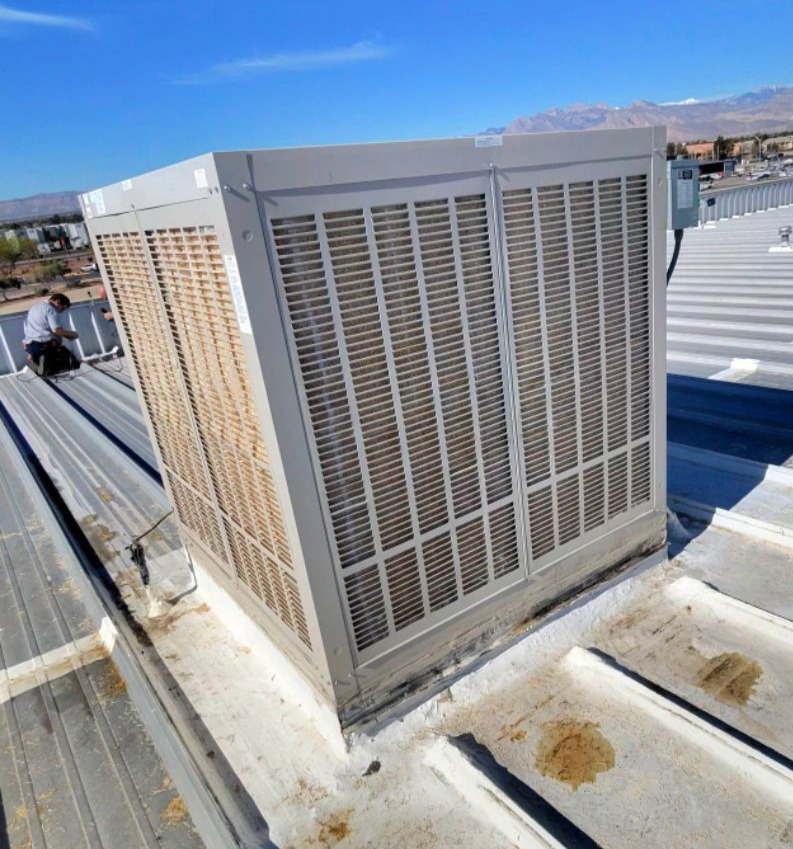
An evaporative cooler sits on the roof all year, and the two days that decide how it behaves are the day it comes on and the day it gets put away. Spring startup means new pads, a clean pan, a pump and float that work, and a belt that is not cracked. Fall shutdown means draining the water, disconnecting the supply, and closing the duct opening so winter heat does not escape through the cooler.
Plenty of older homes in Boulder City still cool with an evaporative cooler, some alongside refrigerated air and some on their own. The cooler is simple, which is its appeal and also why it gets ignored. It sits up on the roof out of sight and gets attention only when it drips, smells musty, or stops pushing cool air. Two visits a year at the right moments head off most of that.
What a Year on the Roof Does to a Cooler
A swamp cooler works by pulling outdoor air through wet pads. A small pump lifts water from a pan in the bottom of the cabinet to a distributor along the top, the water soaks down through the pads, and a blower draws air through them into the house. The air gives up heat to evaporate that water and comes out cooler.
All of that happens in full sun. Over a long summer, minerals from the water build up on the pads and in the pan, and the pads stiffen and channel instead of wetting evenly. The pump strainer clogs. The float valve that keeps the pan filled can stick open or shut. The blower belt stretches and dries out. Then in fall the cooler sits idle, still connected to the duct, while the house switches over to heat.
Each season leaves something behind. Startup and shutdown are where it gets dealt with, before it turns into a stain on a ceiling or a cooler that runs all day and barely moves the temperature.
Spring Startup, in the Order We Do It
Startup begins by opening the cabinet and looking at what winter left. We pull the old pads, clean the pan, flush out the scale and debris, and check the pan for rust spots that are on their way to becoming leaks. New pads go in, fitted so air cannot slip around the edges.
Then the water side. We reconnect and open the supply, set the float so the pan fills to the right level and shuts off, and run the pump to confirm it lifts water evenly to every pad. A distributor with clogged holes leaves dry stripes down the pads, and dry pad is air that comes through warm.
Last comes the air side. The belt gets checked for cracks and tension, or replaced. The motor and blower bearings get a look, and the damper or cover that closed the duct for winter comes off. With everything running we feel the air at the registers and watch for drips. The Boulder City evaporative cooler page lists the repair work for coolers that need more than a startup.
Why Shutdown Matters More at This Elevation
Boulder City sits around 2,500 feet, higher than the Las Vegas Valley floor, and winters here bring real heating nights. A cooler left the way it was in September becomes a problem by the first cold stretch.
Water left in the pan and the supply line sits all winter growing scale and odor, and a line full of water on a roof is exposed to every cold night. So shutdown starts with turning off and disconnecting the supply, draining the pan and the line, and cleaning out what summer left behind so it does not sit there until spring.
The bigger issue is the duct. The cooler connects to the house through an opening in the roof, and with the pads dry and the blower off, that opening turns into a path for heated air to rise out and cold air to drop in. We close it with the damper or seal it from inside, then cover the cabinet. The furnace stops heating the sky, and the house holds its warmth. If the furnace is due for a look too, both jobs fit in one visit.
Signs It Needs More Than a Season Change
Some problems show up at startup and go beyond pads and a belt. A pan rusted through keeps leaking no matter how carefully the float is set. A motor that hums but will not start, or runs hot and trips, is near its end. A cabinet so corroded the panels will not seat lets air bypass the pads entirely.
Other signs show up inside. A musty smell when the cooler runs usually means stagnant water or tired pads. Air that feels damp rather than cool usually means the house is not letting enough air out, since an evaporative cooler needs open windows or relief vents to work. Water stains on a ceiling below the cooler point to a leak at the cabinet or the roof opening, and those deserve attention before another season starts.
We tell you which of these is a repair and which means the cooler is finished. When replacement is the honest answer, the choice is usually between a new cooler and moving to refrigerated air, and that depends on the house and how you live in it.
The Same Routine on Commercial Roofs
The same work applies to larger coolers on commercial and shop roofs, the kind that sits on shop and warehouse roofs around town, often with bigger pads, heavier mineral buildup, and more than one unit on a single roof. The startup and shutdown steps do not change. The scale does. Coolers like these often serve shops and warehouse space where refrigerated air was never practical, and an idle or leaking cooler there means a hot workspace the first warm week of the year.
On a roof like that it makes sense to service every cooler on the property during the same visit, so nothing gets skipped and every unit starts the season in the same shape. If the building also runs rooftop package units, our AC repair work in Boulder City covers those, and the main evaporative coolers page explains cooler service across the valley.
Swamp Cooler Questions We Hear Every Spring
How often should the pads be replaced?
At least once a season, at startup. Pads that have spent a summer collecting minerals stiffen and stop holding water evenly, and that shows up as warmer air at the registers. In a cooler that runs hard all summer, a midseason change can be worth it if the pads look crusted or the air has started to smell.
Can I leave the water connected over the winter?
We do not recommend it. A line and pan holding water on a roof through the heating season grow scale and odor, and the line is exposed to cold nights. Draining and disconnecting at shutdown is quick, and it means the cooler starts clean in spring instead of starting with a problem already waiting inside it.
Why does the house feel muggy when the cooler runs?
An evaporative cooler adds moisture to the air, and that air needs somewhere to go. If windows stay closed or relief vents are blocked, the moist air has no way out and the house feels damp rather than cool. Opening a window or two in the rooms you want cooled usually fixes it within a few minutes of running.
Two Visits That Keep It Simple
A swamp cooler stays the simplest system on the house as long as someone opens it up in spring and closes it properly in fall. In Boulder City, with real heating nights on the far side of summer, the fall half counts as much as the spring one.
Get the Cooler Ready Before the First Hot Week
New pads, a clean pan, a pump and float that work, or a proper shutdown before heating season arrives.
Book a visit (702) 840-5163HVAC service in Boulder City · More posts · Put the cooler on our list